Sublets in Tel Aviv
A sublet in Tel Aviv is someone else's furnished apartment, rented for a month or more while they live elsewhere. On Home Sublet you send a booking request, and it only becomes a booking once the host approves. Rent and deposit go straight to the host at the key handover: we never handle the money and charge renters nothing. No agent fees either.
Available now in Tel Aviv

Tel Aviv sublets by neighbourhood
Tel Aviv is compact, but you feel the difference between neighbourhoods within a week: building height, noise at night, the walk to the sea, the rent. Here are seven of them, from Jaffa in the south to Ramat Aviv across the Yarkon River, with what to know before you look for a sublet in each.
City Centre (Lev HaIr): Rothschild, Sheinkin and Allenby
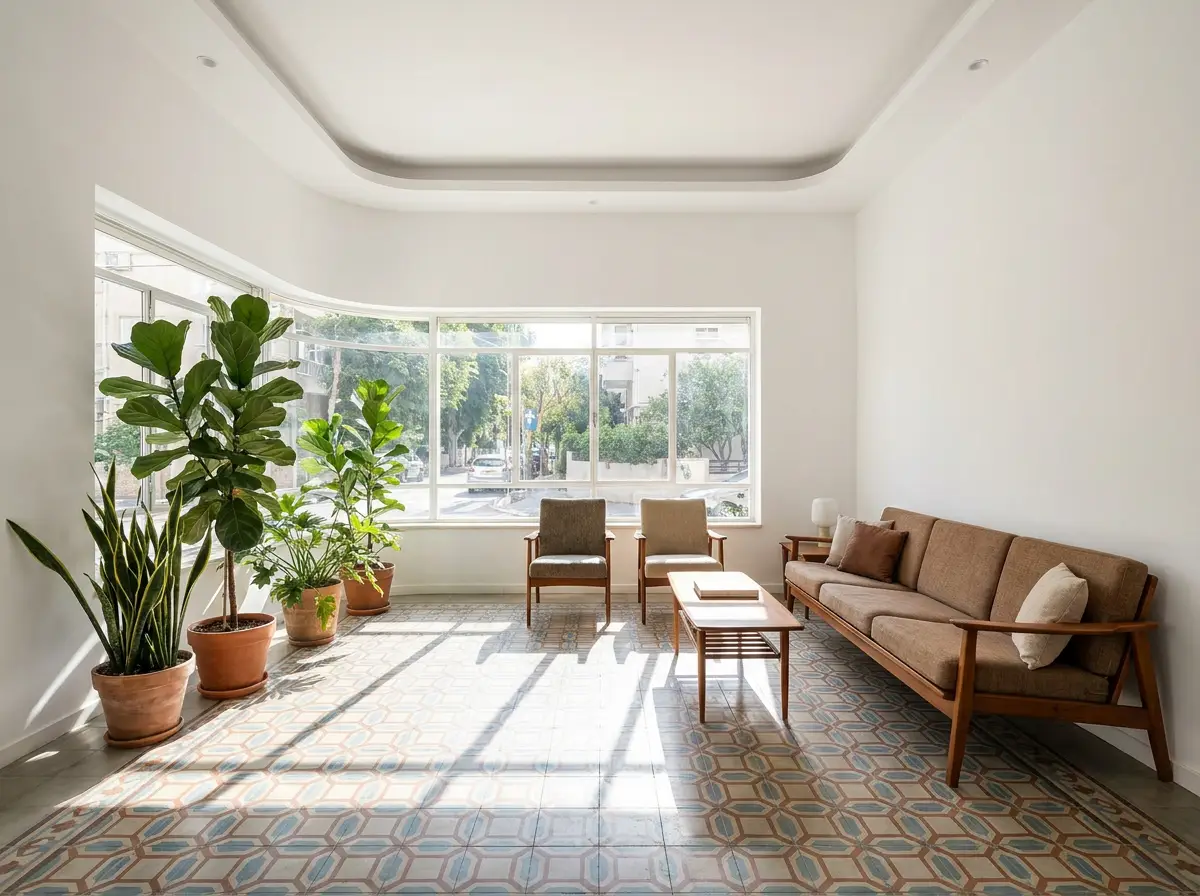
Rothschild Boulevard, Sheinkin, King George and Allenby form the heart of the White City, a UNESCO World Heritage Site since 2003 for its International Style buildings, which many here call Bauhaus. Most buildings went up in the 1930s and '40s, originally three storeys high, and many have had a floor added on the roof since. None were built with a mamad. Apartments sit alongside offices, shops and the Dizengoff Center mall. It suits singles, couples and remote workers who want everything on foot, the Carmel Market included. The Red Line stops at Allenby station, under Yehuda HaLevi Street, and at Carlebach on Begin Road.
The full guide to sublets in City CentreFlorentin
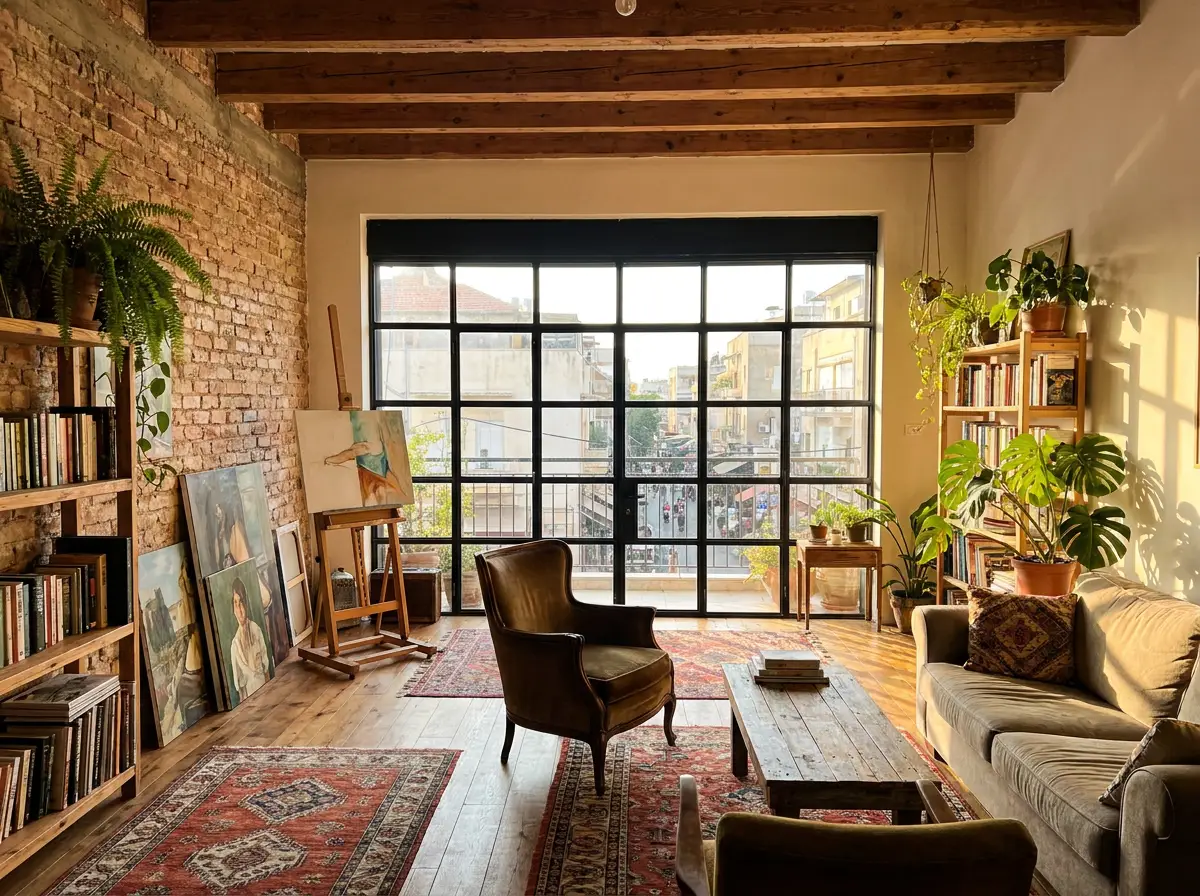
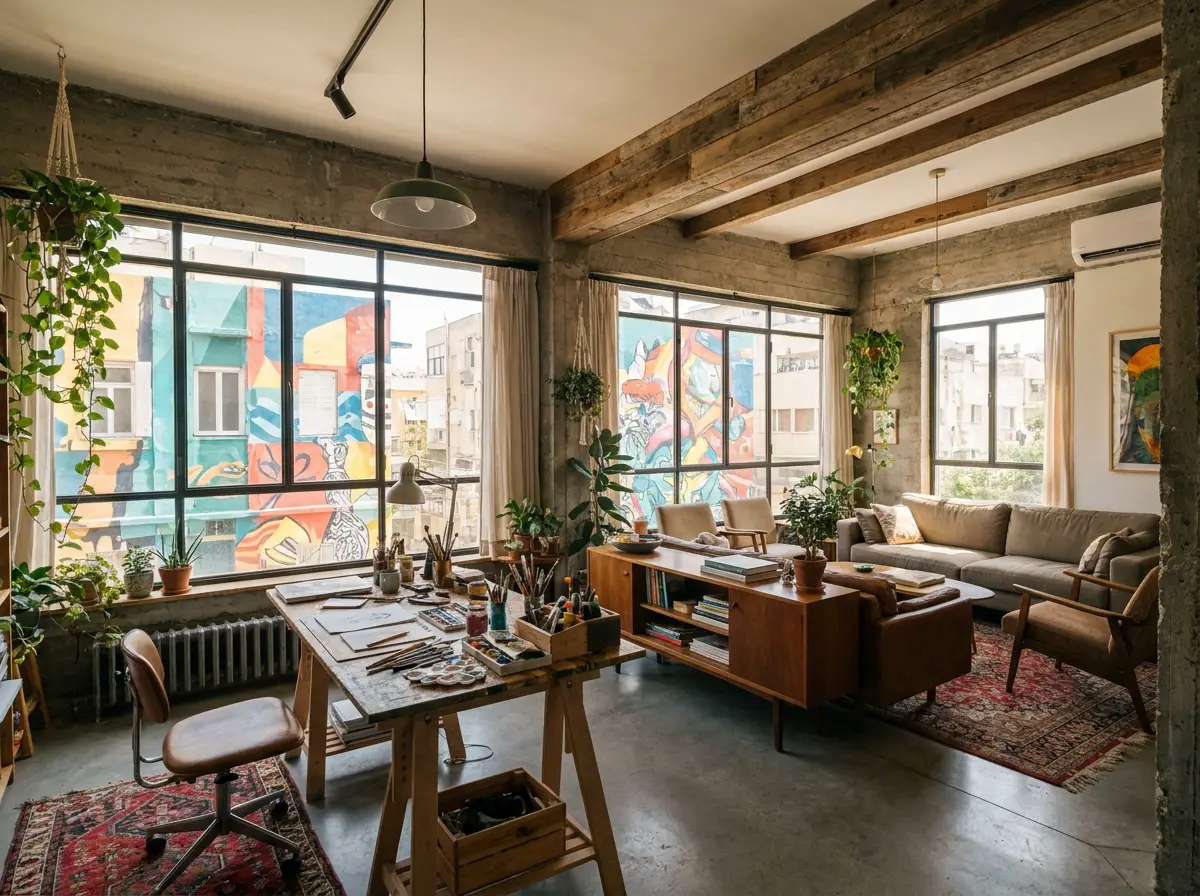
Florentin, in the south of the city, was planned from the start to mix homes with workshops and commerce, and some of that survives: furniture shops and workshops at street level, graffiti on the walls, cafés and bars. The Levinsky Market, with its spices, coffee and dried fruit, is on the neighbourhood's eastern edge. Most buildings are three or four storeys, with businesses on the ground floor. Rents are relatively low next to the city's established neighbourhoods, which is why most residents are young people and artists. The Red Line's Elifelet station, at the north end of Elifelet Street, serves both Florentin and Neve Tzedek.
The full guide to sublets in FlorentinNeve Tzedek
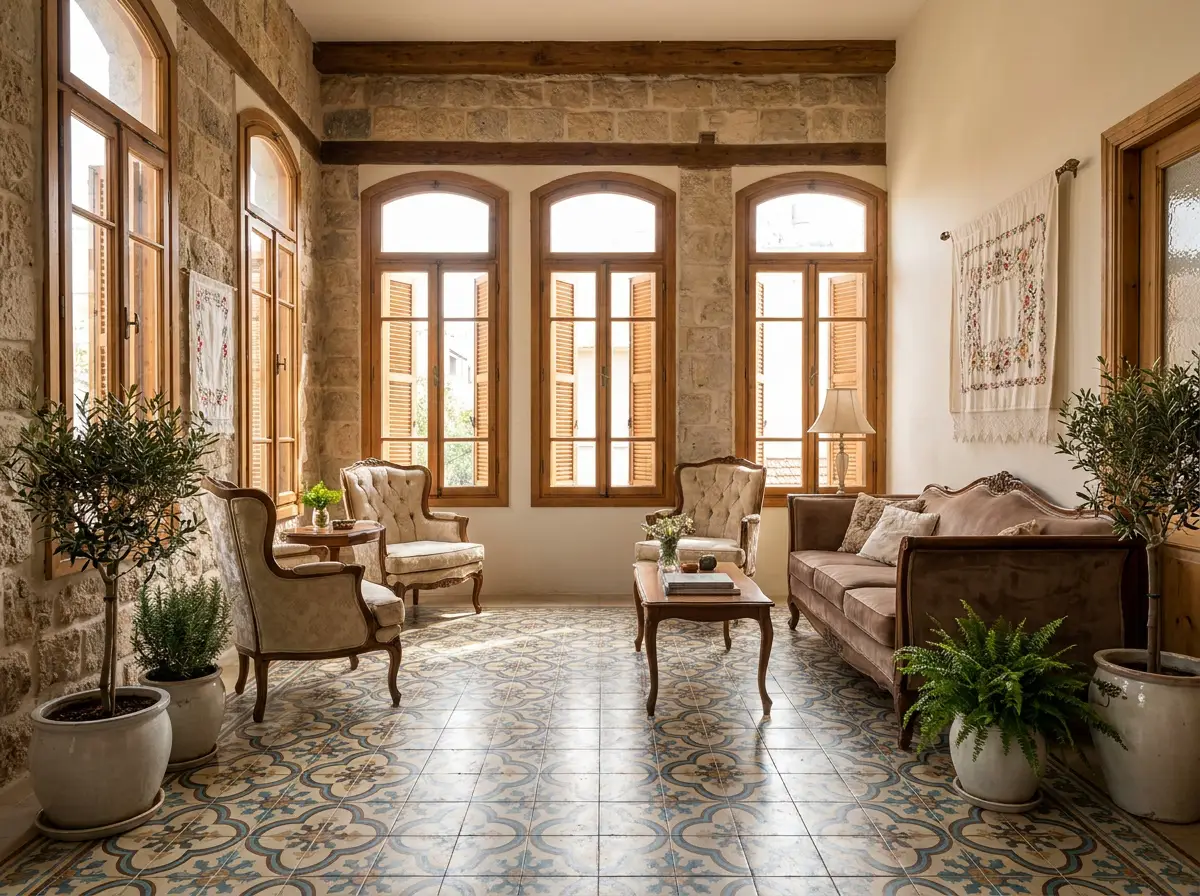
Founded in 1887, 22 years before Tel Aviv itself, Neve Tzedek was the first Jewish neighbourhood built outside the walls of Jaffa. Today it's low, restored houses along Shabazi Street, the Suzanne Dellal Centre for dance and theatre, and on its edge HaTachana: the Jaffa terminus of the railway to Jerusalem, opened in 1892 and restored as a leisure complex. The beach is within walking distance. It's a small neighbourhood and one of the city's most expensive, so start early if you want a sublet here. It suits couples and longer stays.
The full guide to sublets in Neve TzedekKerem HaTeimanim (the Yemenite Quarter)
Kerem HaTeimanim was founded in 1906, and most of its first residents were Yemenite Jews. It sits right next to the Carmel Market: narrow lanes, low-rise building, inner courtyards, houses packed against each other, and Yemenite restaurants every Tel Avivian knows. The beach is a few minutes' walk. Since the 1990s luxury homes have gone up among the old houses, and by apartment prices it now ranks among the city's most expensive areas. It suits singles and couples who want the market and the sea on foot and don't need a car. Sensitive to noise? Ask for an apartment on an inner lane rather than a street bordering the market.
The full guide to sublets in Kerem HaTeimanimOld North and Gordon Beach
The Old North runs from Bograshov Street, Ben Zion Boulevard and Marmorek Street north to the Yarkon, and from Ibn Gabirol west to the sea. Inside it: north Dizengoff and Ben Yehuda, Dizengoff Square, Rabin Square with City Hall, and the Tel Aviv Port in the north-western corner. On the waterfront are Gordon Beach and the Gordon Pool by the marina. It was built in the 1930s and '40s under the Geddes plan as a garden city of leafy streets, and many of its buildings are part of the White City. It suits families, professionals and long stays. Buses run along Dizengoff, Ben Yehuda and Ibn Gabirol.
The full guide to sublets in Old NorthJaffa
Jaffa is an ancient port city that merged with Tel Aviv in 1950, hence the city's official name, Tel Aviv-Yafo. The Old City and the port, the flea market, Ajami and Noga. Jews and Arabs live here side by side, at a different pace from the centre. Housing runs from Ottoman-era houses to new developments, so rents vary widely. The Red Line runs above ground here along Sderot Yerushalayim, but not on Shabbat, when you can ride the free Na'im BaSofash weekend shuttles, which also run through Jaffa. It suits people who want the sea and something less polished than the north.
Ramat Aviv
Ramat Aviv lies north of the Yarkon, around the Tel Aviv University campus, with the Eretz Israel Museum and the Israel Railways station for the university and Expo Tel Aviv close by. Ramat Aviv Aleph, the original part, went up in the 1950s and '60s: apartment blocks of up to four storeys and some houses, set among green lawns. Ramat Aviv Gimmel, further north, began in the 1970s and has buildings of 6 to 15 storeys. It suits students, researchers and families. Coming for a semester and want to walk to class? Start your search here.
The full guide to sublets in Ramat AvivHow to find a sublet in Tel Aviv
Sublet apartments in Tel Aviv are mostly posted in Facebook groups and on classified boards, and some on sites built for exactly this. Start with the neighbourhood and only then look at price: from Ramat Aviv you can walk to classes at Tel Aviv University, and from the City Centre, Neve Tzedek or Florentin you can walk to an office on Rothschild Boulevard. Then talk to the host and see the apartment before you commit. With us it runs through a booking request: the host approves or declines, and until they approve, nothing is settled and no money moves.
What about the landlord? Israel's Rental and Borrowing Law of 1971 applies to sublets too, and its default rule is that a tenant may sublet only with the landlord's consent, given in advance and in writing. A listing with the “landlord approved” tag comes with a signed approval we keep on file. No tag? Ask the host before you agree to anything.
How much a sublet in Tel Aviv costs, and what the price covers
There is no single price for a Tel Aviv sublet, and anyone who quotes you a number without asking about neighbourhood, size and dates is guessing. Neighbourhood matters most: Neve Tzedek is among the city's most expensive areas, Florentin is usually cheaper than the established neighbourhoods, and in Jaffa prices vary a lot from one area to the next. After that come size, distance to the beach, building age, whether the apartment has a mamad (safe room), and the season.
Before you compare two apartments, find out what the rent actually includes. Arnona is the municipal property tax, so ask whether it's in the price and whose name it's registered in. Are electricity, water and gas included, or split by meter reading? Internet? Va'ad bayit, the monthly building maintenance fee? Ask how big the deposit is and when you get it back, too. Two apartments at the same monthly rent can end up far apart once the bills come in.
When to look: summer, the autumn holidays and October
Summer is peak season. In July and August plenty of Tel Avivians fly abroad, and whole apartments open up for a month or two. The Jewish autumn holidays bring another wave of trips, but the whole holiday season, from Rosh Hashanah to Simchat Torah, lasts less than a month. Then comes October: Israeli universities usually open the academic year after the holidays, so if you need a semester sublet near Tel Aviv University or in the centre, start looking in the summer. Start looking for October only in September and you're choosing from what's left.
Subletting for one month, two months or half a year
A one-month sublet suits a work project, a gap between two leases, or a trial run in a neighbourhood before you sign for a year, say a month in Florentin before deciding whether to live there. Two months is the classic summer sublet, while many Tel Avivians are abroad. A semester at Tel Aviv University, from October until after the exams, is what students and visiting researchers look for, and if you want to walk to campus, you look in Ramat Aviv. Half a year to a year fits hosts who are leaving for a relocation or a sabbatical.
On our site stays run from one month to one year, and the host sets the minimum and maximum for each apartment. Looking for a week or a weekend? That's a different market: vacation rentals.
Tel Aviv sublets with a mamad (safe room)
A mamad is a reinforced safe room inside the apartment. After the 1991 Gulf War, Israel decided to require a protected space in all new construction, and in residential buildings that usually means a mamad in every apartment. Much of central Tel Aviv was built long before that: the International Style buildings of the White City, from the 1930s to the 1950s, and the older houses of Florentin, Kerem HaTeimanim and Neve Tzedek. Those buildings have no original mamad. The nearest protected space may be a shelter in the building (miklat), a public shelter on the street, or sometimes just the stairwell. Buildings reinforced under TAMA 38, a national plan to strengthen older buildings against earthquakes, sometimes gained a mamad for each apartment.
Need a mamad? Don't go by the photos. Ask the host one simple question: where is the nearest protected space, and how long does it take to get there from the bed? The Home Front Command website lists the warning time for each area. An in-apartment mamad is far more common in buildings put up since the 1990s than on the old streets of the city centre.
How to avoid sublet scams
Most sublet scams look alike. You're asked for a deposit “to hold it” before you've seen the apartment, not even on a video call. The host is “abroad” and offers to send the keys by courier, a story that's easy to sell in summer, when plenty of Tel Avivians really are away. A Neve Tzedek apartment at a Florentin price? That's a warning sign, and so are photos that turn up in other ads and pressure to decide today. And anyone who asks for a login code or card details in a message isn't renting you anything.
On Home Sublet, money never goes through the site: you pay the host at the key handover, in cash or by a local transfer you've agreed on, and ask for a signed receipt. Any request to “pay through the site” is a scam. The “verified host” tag means the host verified a phone or email and has at least one confirmed reference; it isn't a background check. Reviews can only be written after a stay of 30 nights or more, and every listing and profile has a Report button. In an emergency, call 100.
Sublets in Tel Aviv: frequently asked questions
How much does a sublet in Tel Aviv cost?
There's no single number for the whole city. Price depends on the neighbourhood, size, distance to the sea and season: Neve Tzedek is among the most expensive areas, Florentin is usually cheaper than the established neighbourhoods, and Jaffa varies widely. Before comparing, check what the monthly price covers: arnona, utilities, internet and va'ad bayit.
Is subletting legal in Israel, and do I need the landlord's permission?
Yes, it's legal, and the Rental and Borrowing Law applies to sublets too. Its default rule is that a tenant needs the landlord's consent, given in advance and in writing. Ask the host to show you the approval, or look for the “landlord approved” tag, which means a signed approval is on file with us.
Who pays arnona, utilities and va'ad bayit in a sublet?
It depends on what you and the host agree, so put it in writing before the key handover. Ask whose name the arnona is registered in and whether it's included in the price. Utilities? Either split by meter reading or folded into the rent as a fixed sum. Va'ad bayit and internet? Ask; don't assume.
Can I sublet in Tel Aviv for just one month?
Yes. One month is our minimum, and each host sets the minimum and maximum for their apartment. Summer, when many Tel Avivians are abroad, is a good time to look for a single month.
How far ahead should I start looking?
For summer and for a semester starting in October, a few months ahead, and earlier still in a small, expensive neighbourhood like Neve Tzedek. For a single month at other times of year you can sometimes manage closer to the date, but the choice is smaller.
How can I tell whether an apartment has a mamad (safe room)?
Ask the host directly and ask to see the room, in person or on a video call. A mamad has thick concrete walls, a heavy steel door that opens outwards and a special blast-resistant window. No mamad? Ask where the nearest shelter or floor protected space (mamak) is, and how long it takes to reach.
Are there agent fees on a sublet?
Not with us. You deal directly with the host, and Home Sublet charges renters no commission or agent fee. Anyone asking you to pay in our name, or “through the site”, is trying to scam you.
How and when do I pay the rent and the deposit?
At the key handover, directly to the host, in cash or by a local transfer you've agreed on. Not before you've seen the apartment, and never through the site. Ask for a signed, dated receipt for every sum that changes hands: rent, deposit or refund. A screenshot of the bank transfer is a reasonable substitute.
Sources
- UNESCO World Heritage Centre: White City of Tel-Aviv, the Modern Movement
- Rental and Borrowing Law, 5731-1971 (Nevo, in Hebrew)
- NTA: the Red Line of the Tel Aviv light rail (in Hebrew)
- Na'im BaSofash weekend shuttles, official site (in Hebrew)
- Home Front Command
- Tel Aviv University: academic calendar (in Hebrew)
More guides
- How to find a sublet in Tel Aviv or Jerusalem
- Subletting in Israel: what it is and what the law says
- How much a sublet costs in Tel Aviv and Jerusalem
- Student sublets near Tel Aviv University and the Hebrew University
- Sublet with a mamad: how to check the safe room before you book
- Sublet agreement: a free template, plus the landlord’s consent letter